
The best foods for supporting sciatica management are those rich in antioxidants, vitamins, minerals and anti-inflammatory nutrients. Fruits such as blueberries, grapes and pineapple, along with vegetables like broccoli, spinach, celery and onions, can help support the body's natural response to inflammation.
A balanced diet may help support nerve health and general recovery. However, food alone cannot remove pressure on the sciatic nerve or cure conditions such as a slipped disc or spinal stenosis. Dietary changes should be combined with appropriate medical treatment and lifestyle measures.
1. Best Foods to Eat for Sciatica Pain Relief
Certain foods contain natural compounds that may help regulate inflammation and support overall nerve and muscle health. Including a variety of these foods in your daily meals can contribute to a balanced diet during sciatica treatment.
1. Pineapple

Pineapple contains bromelain, a natural enzyme known for its anti-inflammatory properties. It may help support the body's inflammatory response and tissue recovery.
You can include fresh pineapple as a snack, add it to fruit salads or blend it into a smoothie without adding extra sugar.
2. Parsley
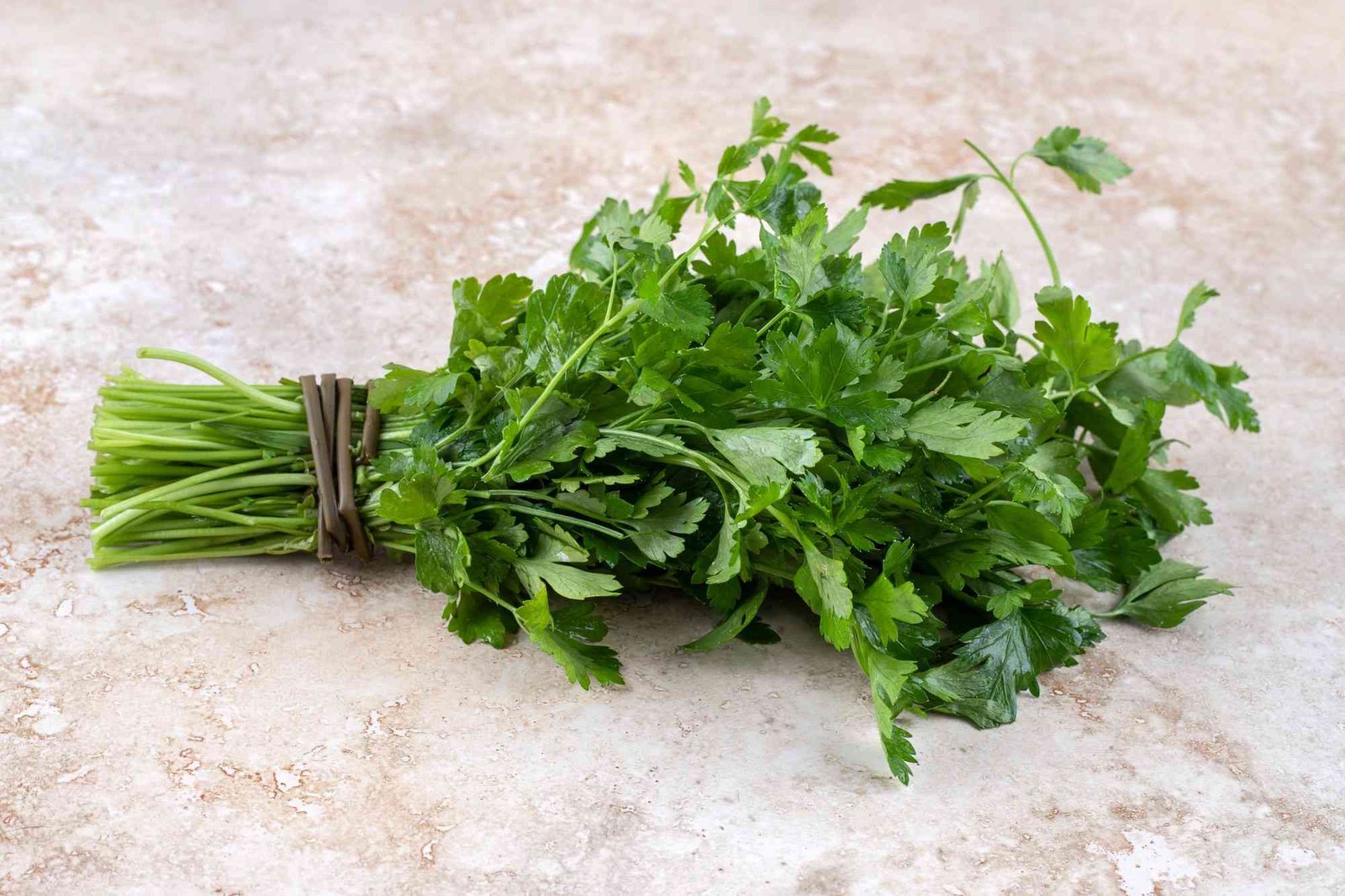
Parsley contains apigenin, a plant flavonoid with antioxidant and anti-inflammatory properties. Adding fresh parsley to soups, salads and everyday meals is an easy way to increase your intake of plant-based nutrients.
3. Celery

Celery contains apigenin and provides fibre, potassium, folate and vitamins. It is also naturally low in calories and can be included in salads, soups or vegetable dishes.
Its nutritional value makes it a useful addition to a balanced diet for people managing sciatica symptoms.
4. Onions
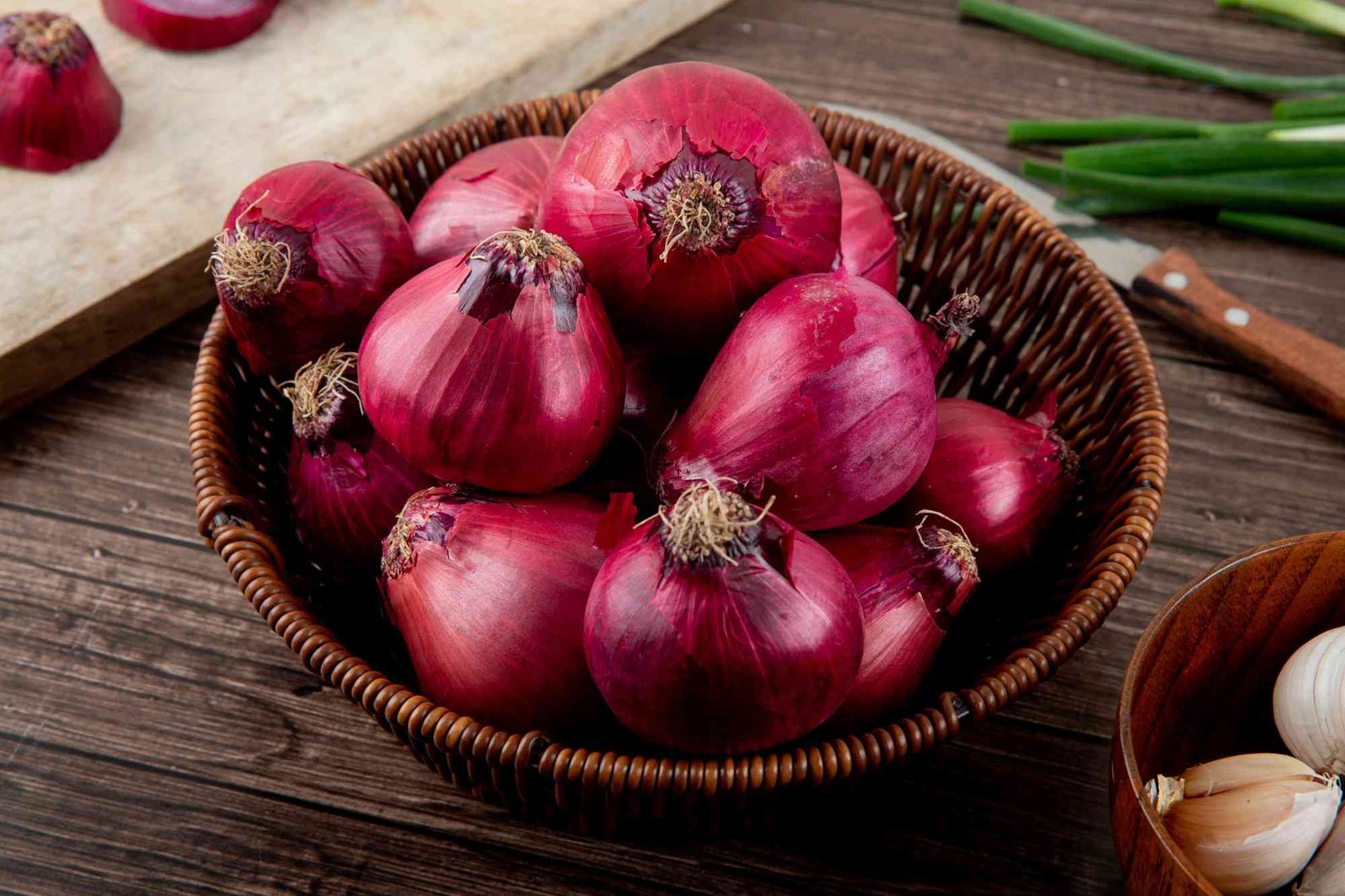
Onions are a source of quercetin, a flavonoid with antioxidant and anti-inflammatory properties. Regularly including onions in cooked meals, salads and soups can help increase your intake of beneficial plant compounds.
5. Broccoli

Broccoli contains sulforaphane, a naturally occurring compound studied for its potential anti-inflammatory and antioxidant effects. It is also rich in fibre, vitamins and minerals.
You can eat broccoli steamed, lightly sautéed or added to soups and vegetable dishes.
6. Grapes

Grapes contain anthocyanins and other plant compounds that provide antioxidant benefits. These compounds are associated with supporting the body's natural inflammatory response.
Fresh grapes can be eaten as a snack or added to fruit salads.
7. Green Tea and Other Teas
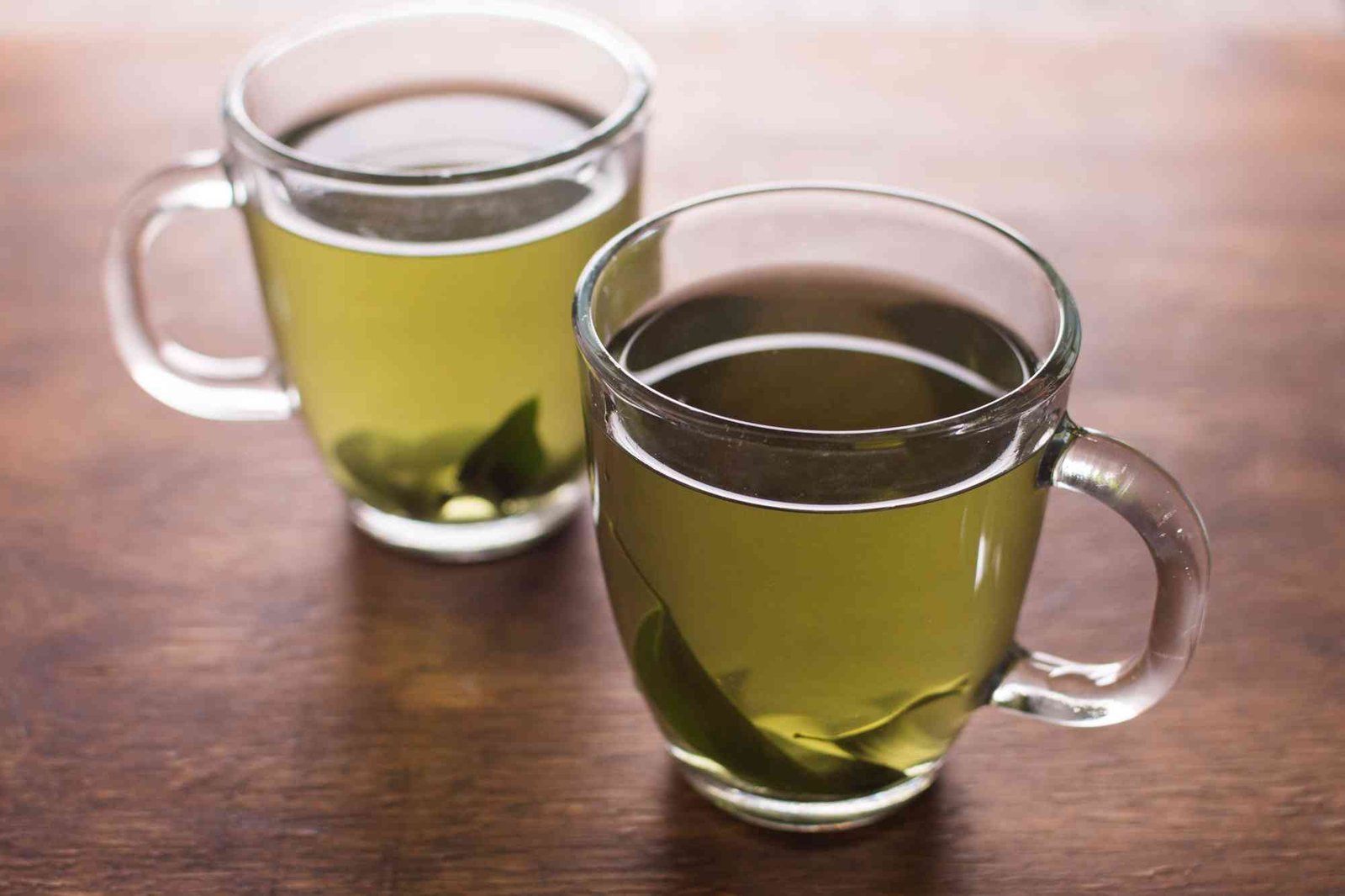
Green tea, white tea, black tea and oolong tea contain polyphenols, which have antioxidant properties. Green and white tea are particularly known for their polyphenol content.
Unsweetened tea can be included in a balanced daily routine. Avoid excessive caffeine, especially if it affects your sleep.
8. Soy-Based Foods

Soy contains genistein, a plant compound that has been studied for its potential anti-inflammatory properties. Soy-based foods can also provide protein and other nutrients.
Options include tofu, soybeans and unsweetened soy milk. Choose preparations that suit your dietary needs.
9. Leafy Green Vegetables

Leafy vegetables such as spinach, kale and bok choy provide magnesium, fibre and several essential vitamins. Magnesium plays an important role in normal muscle and nerve function.
Including leafy greens in your meals can help improve the overall nutritional quality of your diet.
10. Blueberries

Blueberries contain anthocyanins and other phytochemicals with antioxidant properties. These compounds may help support the body's natural response to inflammation.
Fresh or frozen blueberries can be added to breakfast bowls, smoothies or yoghurt.
2. Foods to Avoid During Sciatica Treatment
Some dietary choices may contribute to poor overall health and increased inflammation. Reducing these foods can support a healthier eating pattern while managing sciatica.
Foods High in Added Sugar
Limit foods and drinks containing excessive added sugar, such as:
-
Sugary soft drinks and packaged juices
-
Cakes, pastries and sweets
-
Candies and chocolates with high added sugar
-
Sweetened breakfast cereals
Frequent consumption of high-sugar foods can make it harder to maintain a balanced diet.
Refined Carbohydrates
Try to reduce excessive consumption of refined carbohydrates, including:
-
White bread
-
Refined flour products
-
Highly processed snacks
-
Sugary bakery products
Choose whole grains and fibre-rich alternatives more often.
Trans Fats and Hydrogenated Oils
Limit foods containing trans fats and partially hydrogenated oils. These may be found in certain processed and packaged foods.
Check food labels and choose healthier cooking methods and unsaturated fat sources where appropriate.
Smoking
Smoking is not a food, but it is an important lifestyle habit to avoid during sciatica treatment. It can negatively affect overall health and the body's inflammatory processes.
Avoiding tobacco can support general recovery and long-term health.
3. Important Vitamins and Nutrients for Sciatica
Certain vitamins and minerals support normal nerve function, muscle activity and overall health. Getting enough of these nutrients through a balanced diet is important.
|
Nutrient |
Role in the body |
Food sources |
|---|---|---|
|
Magnesium |
Supports normal nerve and muscle function |
Spinach, leafy greens, nuts and seeds |
|
Vitamin D |
Supports bone and muscle health |
Fortified foods, egg yolks and fatty fish |
|
Vitamin E |
Acts as an antioxidant |
Almonds, seeds and vegetable oils |
|
Vitamin B12 |
Supports normal nerve function |
Dairy products, eggs, fish and fortified foods |
|
Vitamin B6 |
Helps the body use proteins and supports nerve function |
Bananas, potatoes and poultry |
|
Zinc |
Supports normal immune function and tissue repair |
Legumes, nuts and seeds |
|
Selenium |
Helps protect cells from oxidative damage |
Eggs, fish and whole grains |
|
Omega-3 fatty acids |
Support normal inflammatory regulation |
Fatty fish, walnuts, flaxseeds and chia seeds |
Important: Vitamin or mineral supplements should not be taken in high doses without medical advice. Excessive intake of certain nutrients, particularly vitamin B6, can itself cause nerve-related problems. Supplements are generally most useful when a deficiency or specific nutritional need has been identified.
4. Can Omega-3 Fatty Acids Help with Sciatica?
Omega-3 fatty acids are essential fats that support several functions in the body, including normal inflammatory regulation.
They can be obtained from foods such as:
-
Fatty fish, including salmon and sardines
-
Walnuts
-
Flaxseeds
-
Chia seeds
-
Fish oil supplements
Including omega-3-rich foods in a balanced diet may support general health. However, omega-3 supplements are not a proven standalone treatment for sciatic nerve compression.
If you take regular medication or have an existing medical condition, consult your doctor before starting fish oil supplements.
5. Other Lifestyle Habits That May Support Sciatica Recovery
Diet is one part of managing sciatica. Other supportive measures may help reduce discomfort and improve daily functioning.
Gentle Massage Therapy
Massage may help relax tight muscles, reduce muscle tension and improve comfort in some people with sciatica.
Common techniques include:
-
Deep tissue massage
-
Manual therapy
-
Myofascial release
-
Shiatsu massage
Massage may be more helpful when muscle tension or poor posture contributes to discomfort. It does not correct structural nerve compression, and deep massage should be avoided if it increases pain or neurological symptoms.
Mind-Body Techniques
Chronic pain can affect sleep, mood and emotional well-being. Mind-body techniques may help people manage their response to ongoing discomfort.
Some commonly used approaches include:
-
Deep breathing exercises
-
Meditation
-
Guided imagery
-
Cognitive behavioural therapy (CBT)
These techniques can complement medical treatment and may be particularly helpful when pain causes stress or anxiety.
Walking in Water
Walking in a swimming pool or waist-deep water can provide gentle movement with less weight-bearing pressure on the lower body.
Water's natural buoyancy supports the body and may make movement more comfortable for some people. Start with gentle activity and follow medical or physiotherapy guidance, particularly if pain is severe.
Maintain Healthy Sleep Habits
Good-quality sleep supports general recovery and helps the body manage pain. Poor sleep may make pain feel more difficult to tolerate and can contribute to fatigue.
To improve sleep:
-
Maintain a regular sleep schedule.
-
Choose a comfortable sleeping position.
-
Use a supportive mattress and pillow.
-
Avoid excessive screen time before bedtime.
-
Follow a relaxing bedtime routine.
If sciatica pain repeatedly interrupts your sleep, discuss it with your doctor.
6. Sample Daily Diet Plan for People with Sciatica
A balanced meal plan can help you include anti-inflammatory foods and essential nutrients throughout the day. The following is a general example, not a prescribed medical diet.
|
Meal |
Suggested food options |
|---|---|
|
Early morning |
Water or unsweetened green tea |
|
Breakfast |
Oats with blueberries, nuts or seeds |
|
Mid-morning |
Fresh pineapple or grapes |
|
Lunch |
Whole-wheat roti, dal, broccoli and leafy vegetables |
|
Evening snack |
A handful of walnuts or almonds |
|
Dinner |
Vegetable soup, tofu or another protein source with whole grains |
|
Before bed |
Unsweetened milk, if suitable for your diet |
Adjust portion sizes and food choices according to your age, activity level, dietary preferences and medical conditions. People with diabetes, kidney disease or food allergies may need individual dietary advice.
7. Can Food Alone Cure Sciatica?
No. Food alone cannot cure sciatica, particularly when symptoms are caused by pressure on the sciatic nerve due to a herniated disc, spinal stenosis or another spinal condition.
A nutritious diet may support general health and help the body maintain normal nerve and muscle function. However, treatment depends on the underlying cause and severity of symptoms.
Depending on the diagnosis, treatment may include:
-
Activity modification and guided exercises
-
Physiotherapy
-
Doctor-prescribed medication
-
Epidural steroid injections in selected cases
-
Surgical treatment when significant nerve compression requires it
A medical evaluation helps determine which treatment is appropriate.
Frequently Asked Questions About Sciatica Treatment Food
1. Which food is best for sciatica pain relief?
Foods such as blueberries, pineapple, broccoli, leafy green vegetables, grapes, onions and soy-based foods provide antioxidants and plant compounds that may support the body's inflammatory response. No single food can cure sciatica.
2. Is pineapple good for sciatica?
Pineapple contains bromelain, an enzyme with anti-inflammatory properties. It can be included in a balanced diet, but it should not be considered a replacement for medical treatment.
3. Is broccoli good for sciatica?
Yes. Broccoli contains sulforaphane, fibre, vitamins and minerals. Its nutritional properties make it a useful addition to a balanced diet for people managing sciatica.
4. Which vitamins are important for sciatica?
Magnesium, vitamin B12, vitamin B6, vitamin D, vitamin E, zinc and selenium support different functions related to nerve, muscle and overall health. Nutritional deficiencies should be identified and treated with appropriate medical guidance.
5. Should I avoid sugar if I have sciatica?
It is sensible to limit excessive added sugar and highly processed foods. A balanced diet with vegetables, fruits, whole grains and healthy fats is a better everyday choice.
6. Is green tea good for sciatica?
Green tea contains polyphenols with antioxidant properties. Unsweetened green tea can be part of a balanced diet, although there is no strong evidence that it directly treats sciatic nerve compression.
7. Can fish oil help with sciatica?
Fish oil provides omega-3 fatty acids, which support normal inflammatory regulation. However, fish oil is not a proven cure for sciatica and should not replace prescribed treatment.
8. Can massage reduce sciatica pain?
Massage may help relieve muscle tension and provide temporary comfort in some people. Its effectiveness depends on the underlying cause of sciatica. It cannot remove pressure from a compressed spinal nerve.
9. Does walking help with sciatica?
Gentle walking may help maintain mobility and prevent excessive inactivity. The amount of walking should depend on pain levels and medical advice. Stop activities that significantly worsen symptoms.
10. When should I consult a doctor for sciatica?
Consult a doctor if pain travels from your lower back into your buttock or leg, or if you experience persistent tingling, numbness or weakness. Seek emergency medical attention if you develop new loss of bladder or bowel control, numbness around the groin or saddle area, or rapidly worsening leg weakness.
Medical Disclaimer
This article is intended for general educational purposes and does not replace professional medical advice, diagnosis or treatment. Dietary changes may support overall health but cannot independently treat the underlying cause of sciatica. Consult a qualified healthcare professional for an accurate diagnosis and an appropriate treatment plan.