+91-9899991218 drdheerajspine@gmail.com
OPD & Surgical Consultations at Artemis Hospitals, Gurugram

OLIF Surgery in Gurgaon

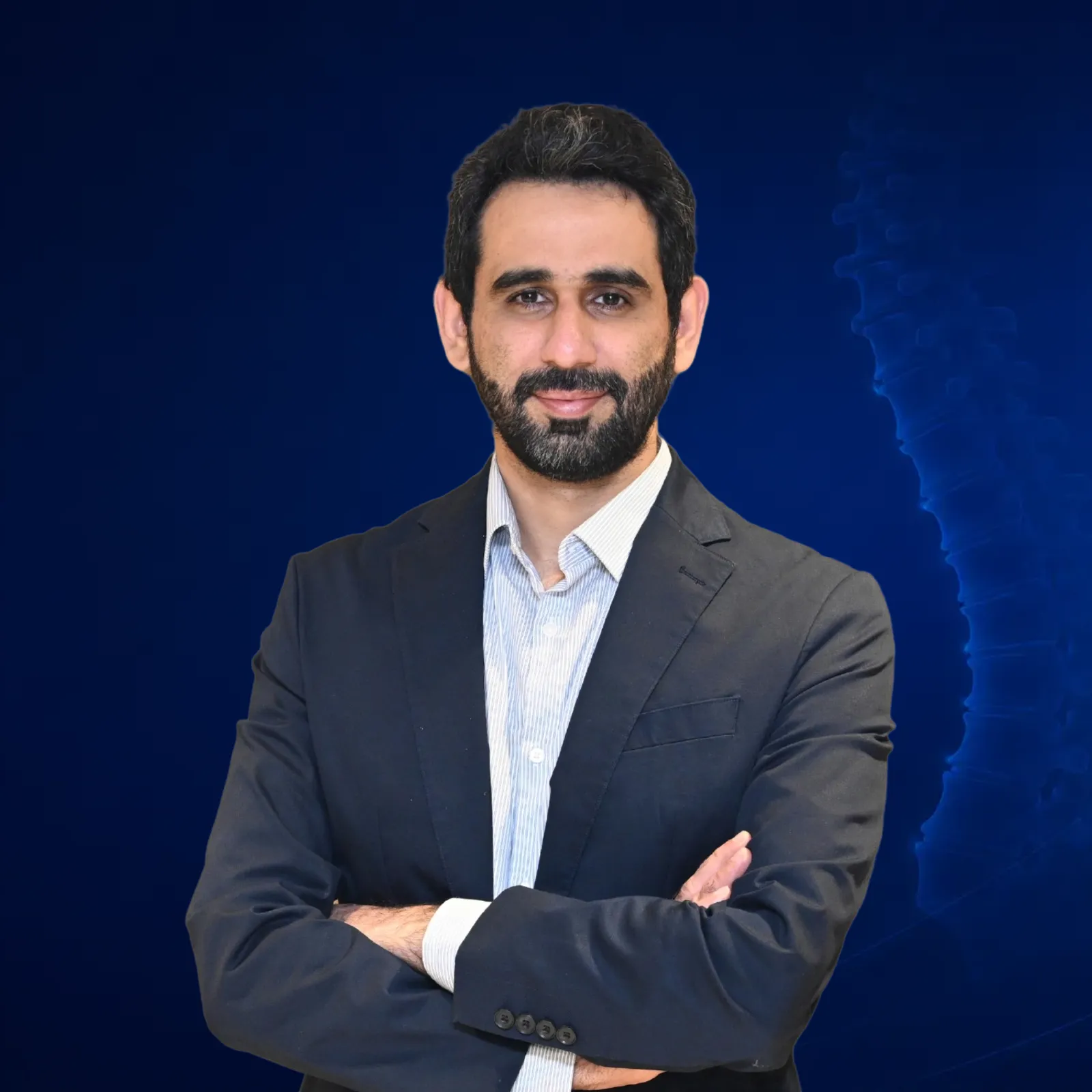
OLIF Surgery in Gurgaon is performed by Dr. Dheeraj Batheja, Senior Consultant – Orthopaedic Spine Surgery at Artemis Hospitals, Gurugram. With over 13 years of experience and 5,000+ spine surgeries performed, he evaluates patients for OLIF and other lumbar spine procedures based on their individual diagnosis and clinical needs.

13+ Years Spine Surgery Experience
5,000+ Successful Spine Surgeries
Appointment Request

Consult Dr. Dheeraj Batheja

Senior Consultant – Ortho Spine Surgery

Consultation Clinic (Gurugram): Artemis Hospital Road, Sector 51, Gurugram, Haryana 122018
Dr Dheeraj Batheja - Spine Specialist
13+ Years Clinical Experience
5,000+ Spine Surgeries
Procedure Overview

What Is OLIF Surgery?

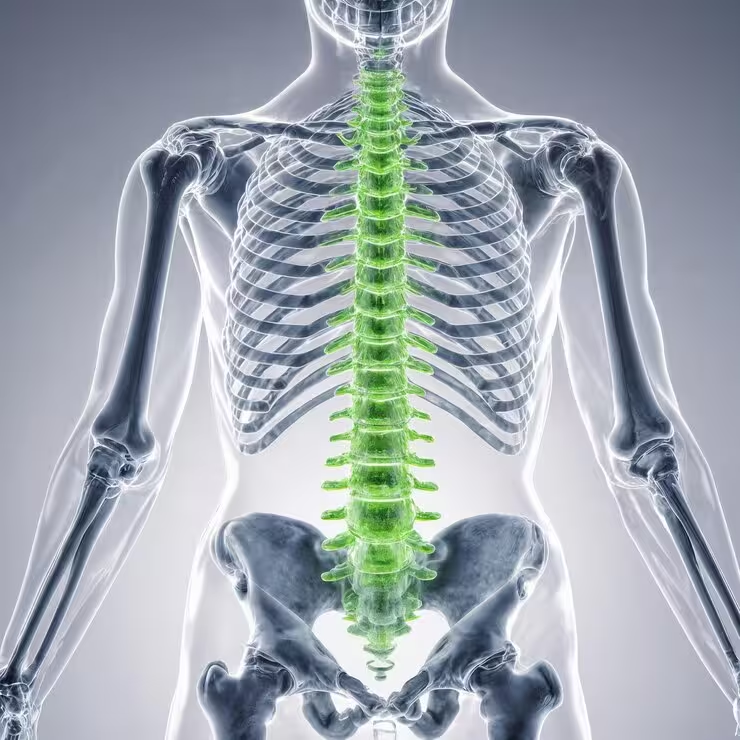
Oblique Lumbar Interbody Fusion (OLIF) is a minimally invasive spinal fusion procedure designed to stabilise the affected lumbar spinal segment and restore disc space height.

During the procedure, the surgeon accesses the spine through an oblique corridor between the abdominal aorta and the psoas muscle, where anatomically suitable. The damaged intervertebral disc is removed and a specialised implant or cage containing bone graft material is placed in the disc space.

Over time, the bone graft supports fusion between the adjacent vertebrae, helping create a stable spinal segment. OLIF may also help restore spinal alignment and indirectly increase the space available for spinal nerves in appropriately selected patients.
Clinical Indications

When Is OLIF Surgery Recommended?

OLIF surgery may be recommended for patients with specific lumbar spine conditions that cause persistent pain, nerve compression or spinal instability.

1. Degenerative Disc Disease

Age-related changes can cause intervertebral discs to lose hydration and height. This may contribute to back pain and reduced spinal stability.

2. Lumbar Spinal Stenosis

Narrowing of the spinal canal or nerve passageways can cause back pain, leg pain, numbness and difficulty walking. OLIF may help indirectly decompress nerves by restoring disc height in suitable cases.

3. Spondylolisthesis

This condition occurs when one vertebra slips forward over another. OLIF may help restore disc height and provide stability through spinal fusion.

4. Degenerative Scoliosis

Some patients develop abnormal spinal curvature due to degenerative changes. OLIF may be used as part of a surgical plan to restore spinal alignment.

5. Foraminal Stenosis

Narrowing of the openings through which spinal nerves exit can cause radiating pain, tingling and numbness. Restoring disc height may increase foraminal space in selected patients.

6. Recurrent Disc Problems

In selected patients with recurrent lumbar disc problems or previous spinal surgery, OLIF may be considered depending on the underlying anatomy and stability of the spine.

Procedure Benefits

Benefits of OLIF Surgery

OLIF is designed to provide spinal stabilisation through a less disruptive surgical approach.

Minimally Invasive Approach

Uses a smaller surgical access incision compared with traditional open fusion procedures.

Muscle Preservation

Approaches the lumbar spine without directly splitting the major posterior back muscles.

Restoration of Disc Height

Helps restore the height of the affected disc space.

Indirect Nerve Decompression

May increase the space available for compressed nerves.

Spinal Stability

Supports fusion between the affected vertebrae.

Potentially Faster Recovery

Some patients may experience less postoperative discomfort and a shorter hospital stay compared with certain open procedures.

Actual benefits vary depending on the patient's condition, surgical approach and overall health.

Surgical Protocol

How Is OLIF Surgery Performed?

OLIF surgery involves several carefully planned steps to access and stabilise the affected lumbar spinal segment:

Step 1: Preoperative Evaluation

The surgeon reviews the patient's symptoms, medical history and imaging investigations, including MRI, CT scans and X-rays when required.

Step 2: Anaesthesia

The procedure is generally performed under general anaesthesia.

Step 3: Surgical Access

A small incision is made on the side of the abdomen. The surgeon carefully develops the oblique surgical corridor to reach the affected lumbar disc space.

Step 4: Disc Removal

The damaged intervertebral disc is removed to prepare the space for spinal fusion.

Step 5: Implant Placement

A specialised interbody cage containing bone graft material is inserted into the disc space to restore disc height and support spinal fusion.

Step 6: Additional Stabilisation

Depending on the patient's condition, supplemental fixation such as posterior screws may be required to provide additional stability.

Step 7: Postoperative Monitoring

After surgery, the patient is monitored and gradually begins mobilisation according to the surgeon's recovery plan.

Surgical Comparison

OLIF vs Traditional Open & Alternative Fusion Techniques

Comparing surgical approaches to understand minimally invasive options.

OLIF vs Traditional Open Spine Surgery

Feature OLIF Surgery Traditional Open Fusion
Surgical approach Oblique side approach Usually posterior approach
Muscle disruption Less posterior muscle disruption Greater posterior muscle exposure
Incision Relatively smaller Usually larger
Disc access Through oblique corridor Through posterior exposure
Recovery May be faster in selected patients May require longer recovery
Spinal fusion Yes Yes

The best surgical approach depends on the patient's spinal condition, anatomy and treatment requirements. OLIF is not suitable for every patient.

OLIF Surgery vs XLIF vs ALIF

Procedure Surgical Approach
OLIF Oblique approach through the side of the abdomen
XLIF / LLIF Lateral approach through the psoas muscle
ALIF Anterior approach through the front of the abdomen

Each procedure has different indications, anatomical considerations and potential risks. The choice depends on the affected spinal level, vascular anatomy, nerve position and surgeon's assessment.

Who Is a Suitable Candidate for OLIF Surgery?

OLIF may be considered for patients who:

  • Have persistent lower back pain despite appropriate conservative treatment.
  • Have lumbar degenerative disc disease.
  • Experience symptoms associated with selected forms of spinal stenosis.
  • Have spinal instability or degenerative spondylolisthesis.
  • Have certain types of degenerative spinal deformity.
  • Require lumbar spinal fusion based on clinical and imaging findings.
Clinical Note: Patients with certain anatomical variations, significant vascular disease, unsuitable disc levels or other medical conditions may require a different surgical approach. A detailed clinical assessment is essential before recommending OLIF.

OLIF Surgery Recovery Time

Recovery after OLIF surgery varies depending on the number of spinal levels treated, whether additional fixation is required and the patient's general health.

Recovery Stage What to Expect
First 1–2 days Postoperative monitoring and gradual mobilisation
First few weeks Gradual return to daily activities as advised
6–12 weeks Progressive activity and rehabilitation
3–6 months Continued improvement and monitoring of fusion
6–12 months Bone fusion may continue to mature

These are general recovery ranges, not guaranteed timelines. Complete spinal fusion can take several months and sometimes longer.

OLIF Surgery Cost in Gurgaon

The OLIF surgery cost in Gurgaon depends on several medical and hospital-related factors. Every patient may require a different surgical plan depending on the severity of spinal degeneration and the number of affected spinal levels.

Factors that influence the total cost include:

  • Number of spinal levels requiring fusion.
  • Type and quality of interbody cage implant.
  • Requirement for additional screws and fixation systems.
  • Hospital room category and length of stay.
  • Surgeon and anaesthesia charges.
  • Preoperative investigations and diagnostic imaging.
  • Postoperative medicines and rehabilitation.

For an accurate cost estimate, patients should undergo a clinical evaluation and receive a treatment plan based on their diagnosis.

Dr Dheeraj Batheja - Spine Specialist Senior Consultant – Artemis Hospitals
Expert Spine Care

Why Choose Dr. Dheeraj Batheja for OLIF Surgery in Gurgaon?

Dr. Dheeraj Batheja is an experienced orthopaedic spine surgeon with expertise in managing various spinal conditions using appropriate surgical and non-surgical treatment approaches. His qualifications include MBBS, MS Orthopaedics, DNB, MNAMS, MRCS (UK) and advanced spine surgery training. He focuses on individualised treatment planning, considering each patient's symptoms, imaging findings and functional requirements before recommending surgery.

Areas of expertise include:
  • Minimally Invasive Spine Surgery
  • Endoscopic Spine Surgery
  • OLIF and Lumbar Fusion Procedures
  • Slip Disc Treatment
  • Spinal Stenosis Treatment
  • Degenerative Spine Conditions
  • Scoliosis and Spinal Deformity Management
Patient Guidance

Frequently Asked Questions About OLIF Surgery

Detailed answers regarding OLIF surgery, indications, recovery, and consultation in Gurgaon.

The outcome of OLIF surgery depends on the patient's diagnosis, spinal anatomy, bone quality, surgical technique and postoperative recovery. There is no single success rate applicable to every patient.

OLIF is a specialised spinal fusion procedure. Although it uses a minimally invasive approach, it is still a major operation that requires general anaesthesia, careful surgical planning and postoperative monitoring.

The duration depends on the number of spinal levels treated and whether additional fixation or procedures are required. Your surgeon can provide an estimated duration after reviewing your case.

Some postoperative pain and discomfort are expected. However, the minimally invasive approach may reduce disruption to posterior back muscles compared with traditional open surgery.

Hospital stay varies depending on the patient's condition, the number of levels treated and postoperative progress. Your treating team will determine when discharge is appropriate.

Many patients are encouraged to begin walking with assistance once medically cleared. Mobilisation is gradual and follows the surgeon's instructions.

Neither procedure is universally better. OLIF and TLIF use different surgical approaches and have different indications. The appropriate procedure depends on the patient's spinal anatomy, condition and treatment goals.

Potential risks include infection, bleeding, vascular injury, nerve injury, injury to nearby abdominal structures, implant-related complications, non-union and persistent symptoms. Individual risks should be discussed with the surgeon.

The cost depends on the number of levels treated, implants, hospital charges, investigations and other treatment requirements. A personalised estimate is provided after clinical assessment.

An experienced orthopaedic spine surgeon can evaluate your symptoms, imaging findings and spinal anatomy to determine whether OLIF is appropriate. Dr. Dheeraj Batheja provides consultation for various spinal conditions at Artemis Hospitals, Gurugram.
Take the Next Step

Consult Dr. Dheeraj Batheja in Gurugram

Persistent lower back pain, sciatica, and lumbar instability require expert surgical evaluation. Consult Dr. Dheeraj Batheja at Artemis Hospitals in Gurugram for specialized spine care and advanced minimally invasive OLIF surgery.

Consultation Clinic: Artemis Hospital Road, Sector 51, Gurugram, Haryana 122018

WhatsApp Call Now