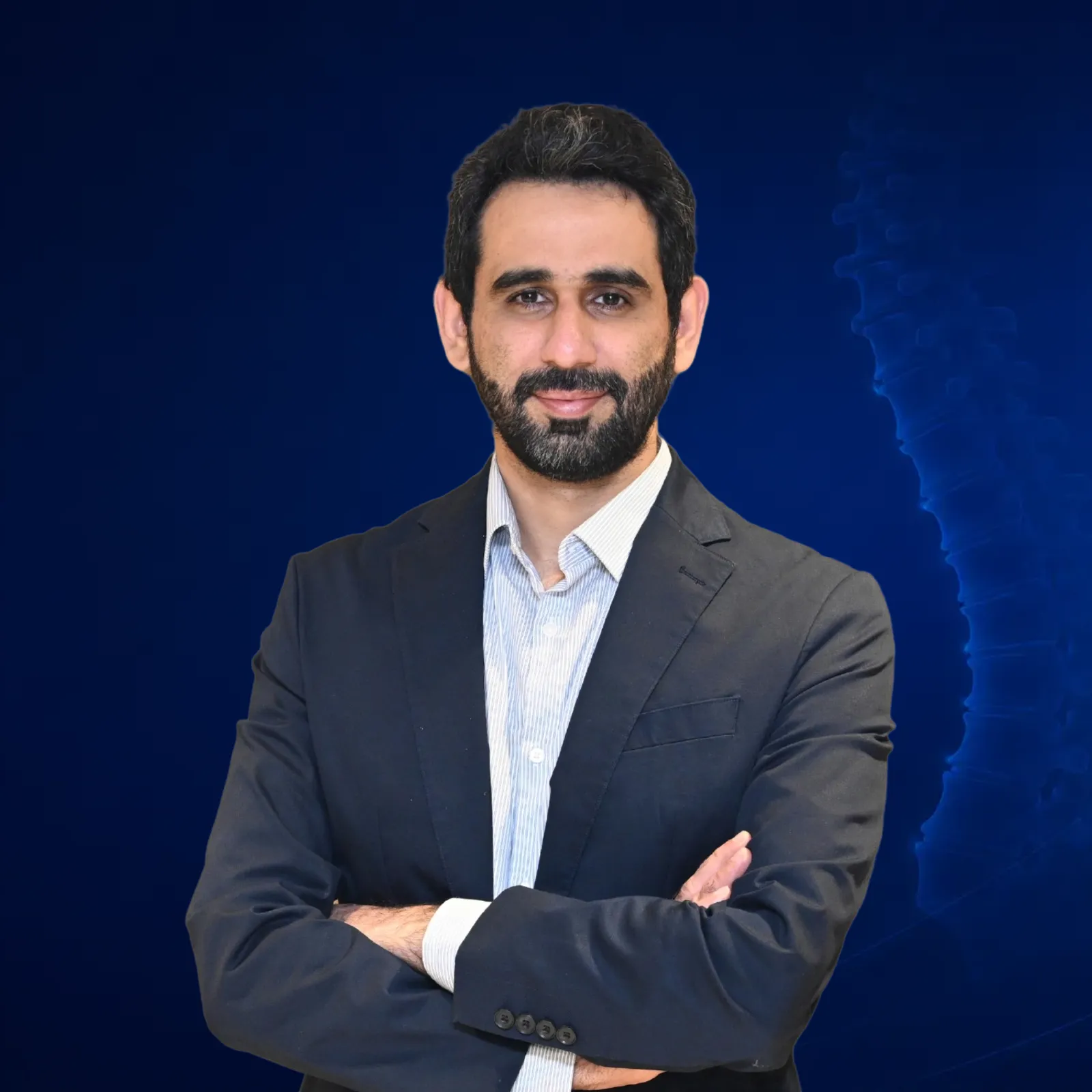
Cervical spine disorders involve conditions in the neck ranging from herniated discs and bone spurs to cervical spondylotic myelopathy and radiculopathy, causing chronic neck pain, radiating arm numbness, or hand weakness. Patients from Rohtak experiencing persistent or severe cervical spine symptoms can consult Dr. Dheeraj Batheja in Gurugram for specialist evaluation and surgical care.
Patients from Rohtak can consult and receive treatment in Gurugram, not at a clinic in Rohtak. Treatment options range from targeted non-surgical management to advanced anterior and posterior cervical reconstructive procedures when surgery is necessary.
Senior Consultant – Ortho Spine Surgery
The cervical spine (neck) supports the head while protecting vital nerve pathways travelling from the brain to the rest of the body. Conditions such as cervical disc herniations, degenerative disc disease, and spinal canal narrowing can compress nerve roots or the spinal cord, leading to debilitating pain, loss of dexterity, or balance issues.
When conservative care and physical therapy fail to control neurological symptoms, specialized surgical intervention becomes essential. Dr. Dheeraj Batheja performs precise microscopic and minimally invasive cervical procedures including Anterior Cervical Discectomy and Fusion (ACDF), cervical disc arthroplasty (replacement), and posterior decompression.
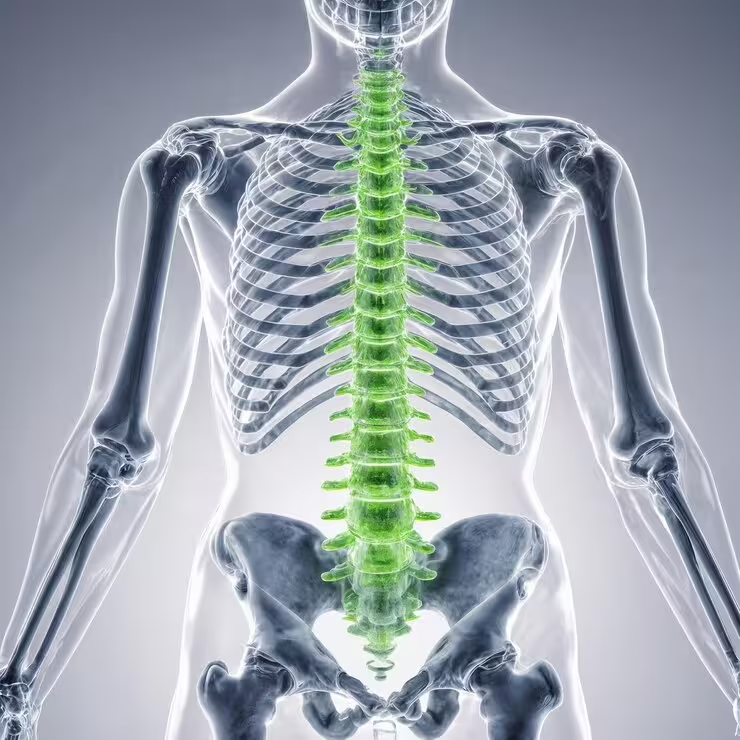
Neck disorders can originate from acute disc injuries or chronic degenerative wear. Identifying the specific pathology dictates whether non-surgical therapy or precise surgical decompression is necessary.
Occurs when the inner gel-like material of a cervical disc leaks through a tear, pressing against a nerve root (radiculopathy) or the spinal cord, triggering sharp neck, shoulder, and arm pain.
Progressive compression of the spinal cord due to age-related wear, bone spurs, and thickened ligaments. Leads to clumsy hands, difficulty walking, and loss of fine motor coordination.
Narrowing of the spinal canal in the neck. Can place continuous pressure on the spinal cord and exiting nerves, requiring careful diagnostic evaluation and potential surgical relief.
Frequently known as a "pinched nerve" in the neck. Pinched nerve roots cause radiating electric shock sensations, numbness, tingling, and muscle weakness down the arm into the hand.
Gradual drying out and thinning of neck discs over time. This reduces disc height, increases mechanical stress on adjacent vertebrae, and fosters bone spur (osteophyte) formation.
Ligamentous laxity, previous injury, or fractures that cause abnormal vertebra movement, threatening the spinal cord and necessitating stabilizing reconstructive surgery.
Surgery is recommended when non-surgical treatments fail or when neurological compression threatens function:
Severe cervical cord compression or acute trauma requires immediate emergency evaluation and surgical decompression:
Sudden loss of strength in both arms and legs (quadriparesis).
Urinary retention or loss of bowel control due to severe cord compression.
Neck trauma resulting in shooting pains, numbness, or limb weakness.
Precise identification of nerve root or spinal cord impingement is mandatory before planning cervical surgery.
Detailed assessment of pain distribution, arm numbness, hand dexterity changes, gait stability, and previous treatments.
Evaluation of reflex responses, muscle strength in arms and hands, sensory perception, and Spurling's test for nerve compression.
The gold standard diagnostic imaging showing exact disc herniations, spinal canal diameter, and degree of spinal cord compression.
Flexion and extension X-rays assess spinal alignment, bony spurs, and dynamic cervical instability.
The gold standard surgical treatment for herniated or degenerated cervical discs:
Advanced motion-preserving alternative to fusion for selected patients:
Dr. Dheeraj Batheja is an experienced spine surgeon and Senior Consultant in Orthopaedic and Spine Surgery at Artemis Hospitals, Gurugram, specializing in delicate microscopic and minimally invasive cervical reconstructions.
Extensive clinical background focused exclusively on diagnosing and resolving complex cervical, thoracic, and lumbar spine disorders.
A proven surgical track record encompassing delicate ACDF procedures, cervical disc replacements, and multi-level spinal reconstructions.
Techniques centered on high-magnification neural decompression with minimal tissue disruption, ensuring maximum safety around the spinal cord.
MBBS (Maulana Azad Medical College), MS Orthopaedics (UCMS & GTB Hospital), DNB, MNAMS, MRCS (England), plus 2+ years of specialized spine training in the UK and an AO Global Spine Diploma.
Surgery is recommended only when clinically justified by neurological deficits and imaging, prioritizing non-surgical recovery when appropriate.
Recovery after minimally invasive cervical surgery is structured to protect spinal alignment while allowing early mobilization. Most patients experience immediate relief from shooting arm pains, with mild incisional soreness improving rapidly over two weeks.
Patients from Rohtak seeking specialist cervical spine evaluation and advanced surgery can travel to Gurugram. Dr. Dheeraj Batheja does not perform surgery or run clinics in Rohtak; all consultations and procedures are conducted at Artemis Hospitals in Gurugram.
The distinction is clear: Rohtak = patient location, while Gurugram = consultation and surgical treatment centre. Patients from Rohtak City, Model Town, Meham, and surrounding districts can easily access the hospital via NH-352 and NH-9 or NH-48.
Consultation and Surgical Center: Artemis Hospital Road, Sector 51, Gurugram, Haryana 122018
Detailed answers regarding cervical spine surgery, ACDF, disc replacement, recovery, and travelling from Rohtak to Gurugram.
Yes. Patients from Rohtak can consult Dr. Dheeraj Batheja and undergo advanced cervical spine surgery at Artemis Hospitals in Gurugram.
No. His dedicated surgical practice is located in Gurugram at Artemis Hospitals. Patients from Rohtak travel to Gurugram for specialist evaluation and surgical management.
ACDF stands for Anterior Cervical Discectomy and Fusion. It involves removing a damaged or herniated disc from the front of the neck to relieve pressure on the spinal cord or nerve roots, followed by stabilizing the vertebrae with a spacer and plate.
While ACDF fuses the treated vertebrae together, cervical disc replacement (arthroplasty) inserts an artificial mobile joint that preserves natural neck movement and flexibility.
It is an emergency if you experience rapid progressive paralysis in your limbs, sudden loss of bowel or bladder control, or severe neurological deficits following trauma.
Most patients undergoing single or multi-level ACDF or disc replacement are discharged within 24 to 48 hours after surgery.
Some patients are prescribed a soft or semi-rigid cervical collar for comfort and protection during the initial weeks of healing, depending on the specific procedure performed.
Please bring all previous cervical spine MRI scans (films or CD), dynamic X-rays, nerve conduction studies, and prior medical records.
Light daily activities can generally be resumed within 1 to 2 weeks, while heavy lifting (>2-3 kg) and strenuous physical exertion are restricted for 6 weeks.
The consultation and surgical center is located at Artemis Hospital Road, Sector 51, Gurugram, Haryana 122018.
Persistent neck pain, arm numbness, and cervical nerve compression require expert surgical evaluation. Whether you need non-surgical guidance, ACDF, or cervical disc replacement, patients from Rohtak can consult Dr. Dheeraj Batheja at Artemis Hospitals in Gurugram for specialized spine care.
Consultation Clinic: Artemis Hospital Road, Sector 51, Gurugram, Haryana 122018